Finding a therapist who truly understands your lived experience can completely change the healing process. For individuals struggling with OCD, anxiety disorders, emotional dysregulation, trauma, or major life transitions, feeling emotionally safe and genuinely understood matters just as much as the therapy itself.
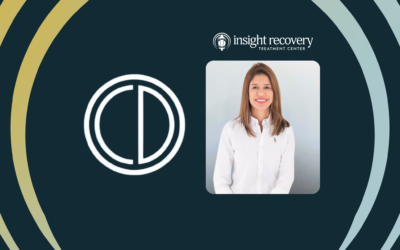
At Insight Recovery Treatment Center in Massachusetts, Primary Therapist Susane Smiroldo brings a unique combination of clinical expertise, multicultural understanding, mindfulness-based care, and lived experience into her work with clients. As a multilingual therapist providing therapy in English, Portuguese, and Spanish, Susane supports culturally diverse individuals across the lifespan with warmth, authenticity, and evidence-based treatment approaches.
Her work focuses heavily on anxiety disorders, obsessive-compulsive disorder (OCD), emotional regulation, mindfulness, trauma-informed care, and helping clients reconnect with themselves through compassionate, whole-person healing.
A Therapist Guided by Compassion, Presence, and Human Connection

Susane Smiroldo’s path into mental health counseling was deeply personal. As a Brazilian immigrant who has lived in the United States for over two decades, she understands firsthand the emotional complexity of identity, cultural adaptation, stress, and resilience.
Her own experiences navigating mental health challenges in early adulthood became a turning point that ultimately shaped her professional mission.
“What once felt like suffering became purpose.”
Today, Susane Smiroldo combines professional clinical training with genuine empathy and human connection. She believes therapy should never feel cold, judgmental, or transactional. Instead, healing happens when people feel emotionally safe enough to explore difficult experiences with honesty and self-compassion.
Her clinical philosophy integrates:
- Acceptance and Commitment Therapy (ACT)
- Mindfulness-based interventions
- CBT-informed strategies
- Somatic awareness
- Trauma-informed care
- Person-centered therapy
- Nervous system regulation approaches
This integrative model helps clients move beyond symptom management and toward deeper emotional resilience, psychological flexibility, and long-term healing.
Specialized OCD and Anxiety Treatment in Massachusetts
One of Susane Smiroldo’s primary clinical passions is helping individuals struggling with obsessive-compulsive disorder (OCD) and anxiety-related conditions.
OCD is one of the most misunderstood mental health conditions. Many people assume OCD only involves visible compulsions like excessive hand washing or checking behaviors. In reality, OCD can also involve intrusive thoughts, mental rituals, intense fears, emotional distress, and debilitating anxiety that often go unseen by others.
Many individuals silently struggle for years before receiving proper treatment.
Susane Smiroldo’s growing specialization in OCD treatment was inspired through advanced supervision and professional training experiences, including attending the International OCD Conference. These experiences deepened her understanding of how frequently OCD goes undiagnosed or misunderstood in clinical settings.
Her work focuses on helping clients recognize that intrusive thoughts do not define who they are.
What Is Exposure and Response Prevention (ERP) Therapy?
Exposure and Response Prevention (ERP) is considered the gold-standard treatment for OCD.
ERP therapy helps individuals gradually face fears, triggers, and intrusive thoughts without engaging in the compulsive behaviors typically used to reduce anxiety.
While this may sound intimidating at first, ERP is not about forcing people into distress. Instead, it is a structured, collaborative process that helps retrain the brain’s fear response over time.
Susane often explains ERP in relatable, compassionate terms:
“OCD is not who the person is—it’s something separate, often not aligned with their values.”
Through ERP therapy, clients begin learning that anxiety can rise and fall naturally without compulsions controlling their lives. Over time, the brain slowly stops interpreting intrusive fears as dangerous emergencies.
ERP therapy can help individuals struggling with:
- Contamination fears
- Harm OCD
- Relationship OCD
- Religious or moral scrupulosity
- Health anxiety
- Intrusive thoughts
- Compulsive checking behaviors
- Reassurance seeking
- Mental compulsions
At Insight Recovery Treatment Center, therapy is approached collaboratively and compassionately, allowing clients to move at a pace that supports both safety and growth.
You do not have to navigate anxiety, OCD, or emotional overwhelm alone. Reach out to Insight Recovery Treatment Center in Massachusetts to learn more about culturally responsive therapy available in multiple languages.
Why Mindfulness Matters in Anxiety and OCD Treatment
A major component of Susane Smiroldo’s clinical work centers around mindfulness, nervous system regulation, and emotional awareness.
Many people living with chronic anxiety or OCD spend enormous amounts of energy trying to suppress, avoid, or control uncomfortable thoughts and emotions. Mindfulness-based therapy helps clients develop a different relationship with distress.
Rather than fighting thoughts, mindfulness teaches clients how to observe emotions without becoming consumed by them.
Susane Smiroldo’s professional training includes mindfulness instruction through Harvard Divinity School, along with extensive experience as a yoga instructor and trauma-informed practitioner.
Her work explores the relationship between:
- Mindfulness and emotional resilience
- Breathwork and nervous system regulation
- Stress reduction and psychological flexibility
- Somatic awareness and trauma recovery
- Mind-body healing practices
These approaches can be especially valuable for clients experiencing:
- Chronic stress
- Panic attacks
- Emotional overwhelm
- Trauma-related symptoms
- Burnout
- Anxiety disorders
- Emotional dysregulation
The Importance of Multilingual and Culturally Responsive Therapy
Language is deeply connected to identity, memory, emotion, and culture.
As a multilingual therapist fluent in Portuguese, Spanish, and English, Susane Smiroldo provides culturally responsive therapy that helps clients feel more emotionally understood and connected during treatment.
For many individuals, speaking in their native language allows for deeper emotional expression and greater therapeutic trust.
Research consistently shows that bilingual mental health care can improve:
- Emotional communication
- Therapeutic alliance
- Client comfort and engagement
- Cultural understanding
- Treatment outcomes
For immigrant families, multicultural individuals, and bilingual clients, therapy in a familiar language can reduce barriers that often prevent people from seeking mental health support.
Susane Smiroldo also brings personal insight into acculturation stress, identity shifts, and the emotional complexity of navigating life between cultures.
This perspective helps create a therapy environment grounded in cultural humility, respect, and authenticity.
Supporting Clients Through Emotional Dysregulation and Life Transitions
Emotional dysregulation can affect every part of a person’s life, including relationships, work, parenting, physical health, and self-esteem.
Many clients seeking therapy feel exhausted from constantly living in survival mode.
Susane Smiroldo works with individuals struggling with:
- Anxiety disorders
- Depression
- Trauma-related symptoms
- OCD
- Emotional dysregulation
- Stress-related burnout
- Addiction-related concerns
- Major life transitions
- Acculturation stress
Her approach emphasizes helping clients reconnect with their values, strengthen emotional awareness, and build healthier coping patterns that support long-term stability.
Treatment is never one-size-fits-all.
Instead, therapy is tailored to each person’s lived experience, emotional needs, cultural background, and recovery goals.
What Clients Can Expect During Therapy
Starting therapy can feel intimidating, especially for individuals who have spent years hiding anxiety, intrusive thoughts, or emotional pain.
Susane Smiroldo emphasizes creating a safe, nonjudgmental environment where clients feel respected and understood from the beginning.
New clients can expect:
- Collaborative treatment planning
- Compassionate support
- Evidence-based therapeutic approaches
- Gradual and manageable progress
- Emotional validation
- Practical coping strategies
- Mindfulness and nervous system regulation tools
- A culturally sensitive environment
Her approach is heavily influenced by the work of Carl Rogers and person-centered therapy principles, which prioritize empathy, authenticity, and unconditional positive regard.
This foundation helps clients feel emotionally safe enough to engage in deeper healing work over time.
Why Insight Recovery Treatment Center Stands Out
At Insight Recovery Treatment Center, mental health treatment is rooted in compassion, connection, and individualized care.
According to Susane, one of the most meaningful parts of working at Insight Recovery is the culture itself.
“People. People. People!!!”
She describes the organization as a place where clients and clinicians are genuinely supported, respected, and valued.
Insight Recovery Treatment Center provides a welcoming, culturally responsive environment where individuals can access evidence-based treatment for mental health and co-occurring conditions in a compassionate setting.
The organization emphasizes:
- Personalized treatment planning
- Collaborative care
- Trauma-informed therapy
- Multicultural inclusivity
- Compassionate clinical support
- Whole-person healing
This approach helps clients feel seen not simply as diagnoses, but as human beings navigating complex emotional experiences.
Reducing the Stigma Around OCD and Anxiety
One of the biggest barriers preventing people from seeking help is stigma.
Many individuals struggling with OCD or anxiety feel ashamed, misunderstood, or afraid others will judge their intrusive thoughts or emotional experiences.
In reality, intrusive thoughts are often ego-dystonic, meaning they deeply conflict with the person’s values and identity.
Therapy can help people recognize that having intrusive thoughts does not make them dangerous, broken, or “crazy.”
Seeking help is not weakness. It is an act of courage.
As Susane shares with hesitant clients:
“You don’t have to do this alone.”
About Insight Recovery Treatment Center
Insight Recovery Treatment Center provides compassionate, evidence-based mental health and addiction treatment services for individuals throughout Massachusetts.
Our clinical team supports clients struggling with anxiety disorders, OCD, depression, trauma, emotional dysregulation, addiction-related concerns, and co-occurring mental health conditions.
We believe healing happens through individualized care, strong therapeutic relationships, and evidence-based treatment approaches that honor the whole person.
Our approach integrates:
- Individual therapy
- Group counseling
- Trauma-informed treatment
- Mindfulness-based interventions
- CBT and ACT approaches
- Emotional regulation support
- Co-occurring disorder treatment
- Family involvement and support
At Insight Recovery Treatment Center, clients are met with empathy, respect, and genuine human connection every step of the way.
Frequently Asked Questions About OCD Therapy and Anxiety Treatment
What conditions does ERP therapy treat?
Exposure and Response Prevention (ERP) therapy is primarily used to treat obsessive-compulsive disorder (OCD), but it may also help individuals struggling with anxiety disorders, intrusive thoughts, phobias, and compulsive behaviors.
Is OCD more than just cleanliness or organization?
Yes. OCD involves intrusive thoughts, fears, compulsions, and mental rituals that can affect many areas of life beyond cleanliness or organization.
Why is mindfulness helpful for anxiety?
Mindfulness helps individuals observe thoughts and emotions without immediately reacting to them. This can reduce emotional overwhelm, improve stress regulation, and strengthen coping skills over time.
Does therapy work better in someone’s native language?
Research shows therapy conducted in a client’s primary language often improves emotional expression, trust, communication, and treatment outcomes.
What should I expect during my first therapy session?
Initial sessions often focus on understanding your history, symptoms, goals, and emotional experiences while building a safe and supportive therapeutic relationship.
Can therapy help with emotional dysregulation?
Yes. Evidence-based approaches such as CBT, ACT, mindfulness, and somatic awareness techniques can help individuals improve emotional regulation and coping skills.
Key Takeaways
- OCD and anxiety disorders are highly treatable with evidence-based therapy
- ERP therapy is considered the gold-standard treatment for OCD
- Multilingual therapy can improve emotional comfort and treatment outcomes
- Mindfulness and nervous system regulation play important roles in emotional healing
- Compassionate, culturally responsive care helps clients feel emotionally safe and understood
- Insight Recovery Treatment Center provides individualized, trauma-informed mental health support throughout Massachusetts
Looking for compassionate OCD or anxiety treatment in Massachusetts? Contact Insight Recovery Treatment Center today to connect with a multilingual therapist offering support in English, Portuguese, and Spanish.