First Week of Outpatient Addiction Treatment
If you’re feeling nervous, unsure, or even a little skeptical about outpatient addiction treatment, you’re not alone. Most people walk into week one thinking, “What am I supposed to say?” or “What if I mess this up?”
Here’s the truth: the goal of your first week is not perfection.
Week one is about safety, clarity, and momentum. It’s where we get a clear picture of what you’re dealing with, what you need, and what kind of support will actually work in real life. Outpatient addiction treatment also means you’ll go home each day, but you won’t be doing this on your own. You’ll have structure, a plan, and a team to lean on. This is particularly beneficial when dealing with specific substances like opiates, as outpatient treatment can be very effective for such cases.
We also want you to know what kind of space you’re walking into. We take confidentiality seriously, we treat you with respect, and we don’t judge you for how you got here. At Insight Recovery Treatment Center, our approach is personalized and holistic, supporting your physical, emotional, and psychological needs so recovery feels doable, not overwhelming.
Day 1: Intake, assessment, and building your treatment plan
Day one usually feels like a big step because, well, it is. But it’s also very practical. Think of it as getting oriented and building the foundation.
What intake typically includes
On your first day, we’ll walk you through:
- Basic paperwork and consent forms
- Privacy and confidentiality practices (including what stays private and the few safety-related exceptions)
- Insurance or payment details, if applicable, so you’re not left guessing
If paperwork makes you anxious, tell us. We can slow down and explain what everything means.
This initial phase is crucial as it sets the stage for your personalized treatment plan. Depending on your needs and schedule flexibility, we might suggest options like evening treatment or half-day treatment, both of which are designed to accommodate various lifestyles while still providing comprehensive support.
It’s important to remember that while outpatient treatment offers flexibility compared to residential options, it still requires commitment and active participation from your side for it to be effective.
Your clinical assessment (the “big picture” conversation)
Next comes the assessment. This helps us understand what you’re facing so we can match you with the right level of care and support. We may cover:
- Your substance use history (what, how much, how often, how long)
- Medical history and current symptoms
- Mental health screening (anxiety, depression, trauma-related symptoms, etc.)
- Triggers, stressors, and high-risk situations
- Prior treatment experiences (what helped, what didn’t)
- Overdose risk and withdrawal risk
You don’t have to tell your story in a “perfect” way. Just be as honest as you can. The clearer the picture, the safer and more effective your plan can be.
Setting immediate goals (realistic, not idealistic)
We’ll talk through what you want to change right now, such as:
- Reducing use safely or stopping
- Managing cravings and withdrawal symptoms
- Rebuilding routines that fell apart
- Repairing relationships and communication
- Returning to work, school, or parenting with more stability
How we tailor your care
No two people need the exact same plan. We’ll recommend a schedule that fits your clinical needs and your life, including the right mix of individual therapy which may include skills practice and check-ins.
If medication support is appropriate, we’ll also discuss options and create a safety plan for cravings or withdrawal, especially for alcohol and opioids.
Your schedule: what outpatient addiction treatment looks like week one
One of the biggest questions we hear is, “What will my week actually look like?”
In outpatient addiction treatment, you’ll have a set weekly schedule. That schedule usually includes:
- Individual therapy sessions
- Group sessions
- Skills practice and recovery planning
- Check-ins to track progress, cravings, and safety
- Coordination with outside providers when needed (with your permission)
Intensity can vary (and that’s a good thing)
Some people start with more frequent visits early on and step down over time as things stabilize. Others start at a moderate pace and build support where it’s needed most. The point is to find the level of structure that keeps you safe and moving forward.
Flexibility matters in real life
Outpatient addiction treatment is designed to support your life, not pause it. Many clients continue working, parenting, or attending school while getting treatment. We’ll help you build accountability without making your schedule impossible.
What we ask from you (and what you can expect from us)
We’ll ask you to show up on time, participate as you’re able, and be honest, especially if you slip. If a lapse happens, we respond with support and problem-solving, not punishment. A slip is information. It tells us what needs strengthening.
The clinical focus in week one: stabilizing cravings, triggers, and stress
Early recovery can feel intense because your brain and body are adjusting. Cravings may spike, emotions may feel bigger, and your usual coping tools might not be available anymore.
So in week one, we focus on stabilization.
Identifying triggers and patterns
We’ll help you identify:
- High-risk situations (people, places, times of day)
- Emotional triggers (stress, loneliness, shame, anger, boredom)
- Patterns that keep addiction going (impulsivity, avoidance, all-or-nothing thinking)
Coping skills you’ll start practicing right away
These are practical tools you can use immediately, especially at home in the evenings and on weekends:
- Urge surfing (riding out cravings without acting on them)
- Grounding skills for anxiety and overwhelm
- Delay and interrupt strategies (buying time until the craving passes)
- Emotion regulation basics (naming feelings, reducing intensity, choosing a next step)
In addition to these strategies, maintaining an urge log can be beneficial in tracking your cravings and identifying patterns over time.
CBT and behavioral therapy in week one
Cognitive Behavioral Therapy (CBT) and behavioral approaches often start early because they work well for building quick wins. You’ll begin mapping:
- Thoughts → feelings → behaviors
- What happens right before you use
- What you actually need in that moment (relief, comfort, confidence, sleep, connection)
- Alternative responses that are realistic, not cheesy or forced
Recovery basics that reduce relapse vulnerability
We’ll also talk about sleep, nutrition, hydration, and movement because they matter more than people think. When your body is depleted, cravings get louder. Small improvements here can make your whole week easier.
And because outpatient means you’re home at night, we’ll help you build a specific plan for the times cravings tend to hit hardest.
Individual therapy: what your first sessions are usually about
Your first individual sessions should feel like a working conversation, not a lecture.
We keep the tone collaborative, practical, and confidential. We’re not here to shame you or “catch you” doing something wrong. We’re here to help you build a plan that fits your life.
Common first-week themes include:
- Your goals and what “better” looks like for you
- Motivation and ambivalence (it’s normal to feel two ways at once)
- Barriers like stress, relationships, work pressure, or fear of withdrawal
- Shame and guilt (and how to move forward without getting stuck there)
- Relapse history and what it taught you
- Co-occurring anxiety or depression symptoms
Starting a recovery roadmap
We’ll often begin sketching a short-term roadmap:
- What you want life to look like in 30 days
- What you want to be different in 60 days
- What kind of stability you want in 90 days
Skills-based work starts early
You may begin building:
- A craving response plan
- Boundary scripts for friends or family
- Stress management techniques you can actually use at work or at home
If you already have a therapist, psychiatrist, or primary care provider, we can coordinate care with your permission. You shouldn’t have to manage everything alone.
Group sessions: what you’ll actually do (and why they help fast)
A lot of people worry about groups. Totally understandable.
Here’s what we want you to know: you won’t be forced to share more than you’re ready to. Participation tends to grow naturally once you feel safer and more connected.
What groups often cover in week one
Many early groups focus on:
- Cravings and triggers
- Relapse prevention basics
- Communication skills and repair
- Accountability and building consistency
- Rebuilding routines after addiction disrupted your life
Why groups help quickly
Groups support recovery in a way individual therapy can’t always replicate:
- You feel less alone, sometimes for the first time in a long time
- You learn strategies that are working for people in real time
- You get to practice honesty in a supportive setting
- You start building a recovery community, not just information
If you’re wondering, “Will I fit in?” please hear this: addiction affects people of every background. Group is not about comparing stories. It’s about shared tools, shared support, and respectful space to heal.
And group never replaces individual care. It complements it.
If medication is part of your plan: what MAT may look like in week one
Medication can be a helpful support for some people, and it’s always individualized. It’s not a one-size-fits-all decision, and it’s never the whole plan by itself.
If medication-assisted treatment (MAT) is appropriate, we’ll explain options, answer questions, and make sure you understand benefits, risks, and expectations.
Opioid addiction
For opioid use disorder, MAT may include options like buprenorphine/naloxone or other clinically appropriate medications, combined with counseling and recovery support. The goal is to reduce cravings and overdose risk while you build the skills and stability that support long-term recovery.
Alcohol use
For alcohol use, medication may be considered when clinically appropriate, alongside therapy and aftercare planning. We’ll also evaluate withdrawal risk, since alcohol withdrawal can be dangerous without the right medical guidance. In such cases, our outpatient addiction treatment alcohol rehab in Massachusetts can provide the necessary support.
Prescription drugs and benzodiazepines
With prescription drug misuse, especially benzodiazepines, safety comes first. We take a careful approach that may include medication management and close monitoring. If tapering is needed, it should be done thoughtfully and clinically.
What to expect early on
If medication is part of your plan, week one typically includes:
- Education on what to expect and potential side effects
- Monitoring and follow-up
- A clear adherence plan
- Ongoing therapy and skill-building (because medication supports recovery, it does not replace it)
Substance-specific support: how we tailor outpatient addiction treatment to what you’re facing
Your outpatient addiction treatment plan should match what you’re actually dealing with.
Here’s how we often tailor support by substance:
- For those battling with alcohol addiction, we provide specialized outpatient care.
- If you’re navigating through family issues related to substance abuse, our family therapy programs in New Hampshire are designed to help.
- We also offer evening intensive outpatient programs (IOP) for those who need a flexible treatment schedule.
- Our comprehensive substance abuse treatment programs in New Hampshire are tailored to suit individual needs.
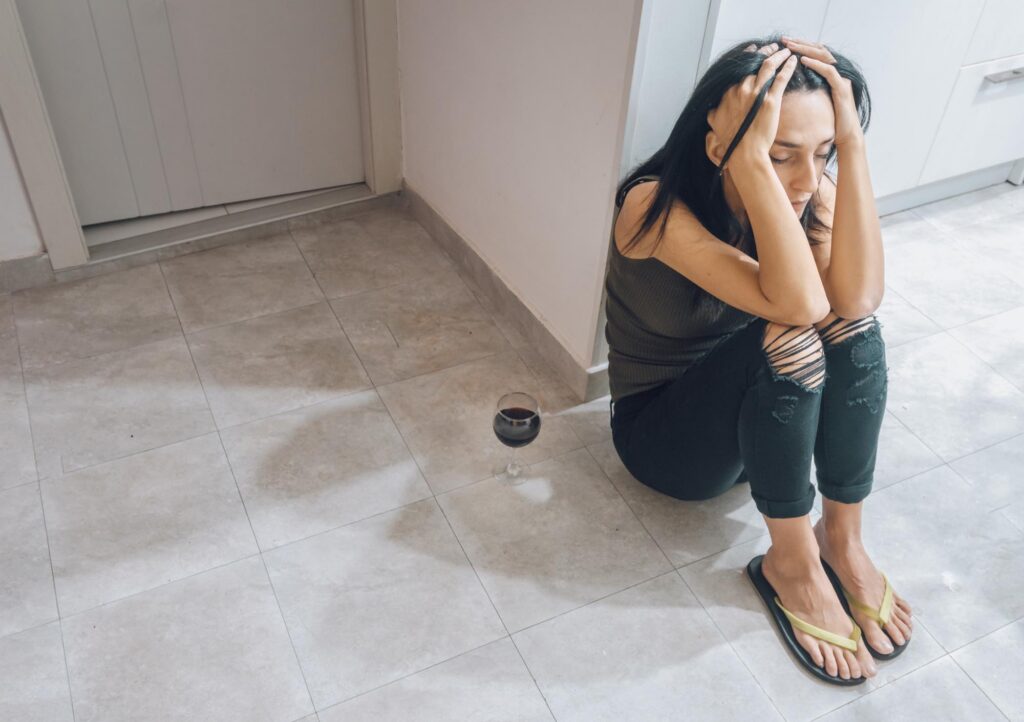
Alcohol
Week one often focuses on coping with triggers, building sober routines, CBT and behavioral therapy strategies, and planning for high-risk social situations.
Cocaine and stimulants
We often emphasize behavioral interventions, craving management, relapse prevention strategies, routine rebuilding, and sleep recovery, since sleep and mood disruption can be intense early on.
Opioids
When appropriate, we may include MAT, overdose prevention education, counseling, and support groups. We also build a clear plan for cravings and high-risk moments.
Prescription drugs
We focus on thorough assessment, medication management when needed, and therapy that addresses what’s driving use, like chronic pain, anxiety, or insomnia.
Benzodiazepines
If benzos are involved, we may discuss tapering plans when appropriate, along with stress management, anxiety coping skills, and close support. This area requires extra care, and we treat it that way.
Aftercare starts now: planning for weeks 2 to 4 during outpatient addiction treatment week one
Aftercare is not something we tack on later. We start thinking about it in week one because the earlier you build support, the stronger your recovery foundation becomes. This is a crucial part of sober living, which plays a significant role in ensuring lasting recovery.
Supports to line up early
Depending on your needs, we may help you identify:
- Support groups and community resources
- Family support and healthy accountability
- Sober activities and routines
- Continued therapy or psychiatric care
Your relapse prevention plan (the basics)
We’ll start building a plan that includes:
- Your warning signs
- Your coping toolbox
- Your emergency contacts
- What to do after a slip (so it doesn’t turn into a full relapse)
Long-term recovery support
We’ll also discuss ongoing options like alumni groups, continued therapy sessions, and wellness activities that help recovery last.
By the end of the first month, “success” often looks like more stability, fewer crises, stronger coping skills, and a clear plan you can follow even when life gets stressful.
How to prepare for your first week outpatient addiction treatment (so you get more out of it)
A little preparation can make week one feel less chaotic. Here are a few simple steps that help a lot:
Practical prep
- Arrange transportation
- Adjust your work schedule if possible
- Plan easy meals and snacks
- Build buffer time between sessions so you’re not rushing
Set up your home environment
- Remove substances and paraphernalia when possible
- Limit triggering contacts, at least early on
- Create a calm space where you can decompress
Write a few things down and bring them with you
- Your top triggers
- Your biggest fear about treatment or recovery
- Your main reason for change (even if it feels small)
Plan for cravings ahead of time
- Create an evening and weekend strategy
- Choose supportive people you can call
- Make a list of safe activities that help you ride out urges
Mindset that helps most
Progress over perfection. Honesty helps us tailor care faster. And showing up matters more than saying the “right” thing.
For those entering a rehab facility, understanding what to expect in residential rehab can significantly ease the transition.
What we want you to remember at the end of week one outpatient addiction treatment
You do not need to feel “fixed” in seven days. Week one is about stabilizing, building a plan that fits, and proving to yourself that change can start right now.
If you struggled or slipped, that is not failure. It’s useful information, and we adjust the plan with you.
Consistency matters more than intensity. Keep showing up, stay engaged, and use your supports, especially at home when things get quiet and cravings get louder.
Our mission is simple: to empower you with personalized, holistic, innovative care that supports real-life recovery. Not just in a program, but in your day-to-day life.
Ready to take the first step? We’re here to help
If you’re unsure whether you “need” treatment, you can still reach out. You don’t have to be 100 percent certain to start a conversation. We’ll talk with you, help you sort through your options, and recommend the right level of care.
To learn more about outpatient addiction treatment or day treatment programs, call Insight Recovery Treatment Center at (781) 653-6598. We’re here with compassionate support, a personalized plan, and a team that will walk with you beyond the first week.